

Why Do Some Acne Breakouts Leave Dark Marks or Scars?

Dr Patricia Yuen
BA (Brown), MD (Boston), Internal Medicine (USA), FAMS (Dermatology)
Accredited Dermatologist with the Ministry of Health, Singapore
Even after an acne breakout has cleared, the skin may not return to how it looked before. Some people notice flat brown or greyish marks that gradually fade, while others develop indentations that remain long after the inflammation has settled. These differences can raise questions about why certain breakouts leave temporary discolouration while others cause more lasting changes to the skin's texture.
Although both are commonly referred to as “acne scars”, they develop through different processes. The type and extent of skin damage can influence whether these changes fade naturally or require treatment to improve their appearance.
Why Does Acne Leave Dark Marks After It Heals?
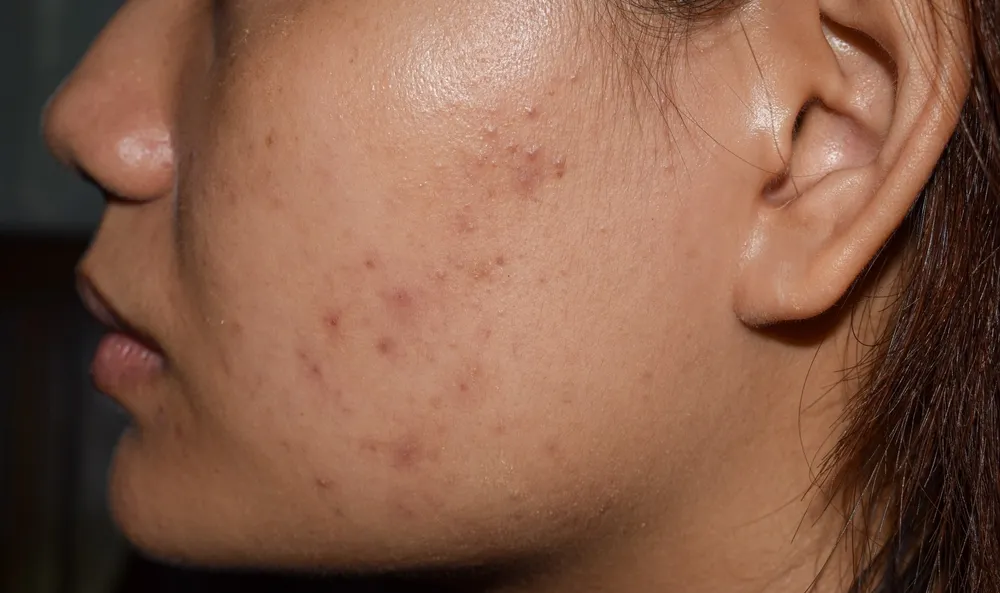
Dark marks that remain after an acne spot has healed are often a form of post-inflammatory hyperpigmentation (PIH). They develop when inflammation from acne stimulates the skin to produce excess melanin, the pigment responsible for skin colour.
Unlike a true scar, PIH is generally flat and does not represent permanent structural damage to the skin. Its colour may range from light brown to dark brown or grey, depending on factors such as skin tone and how deeply the pigment sits within the skin.
Sun exposure may make pigmentation appear darker or cause it to persist for longer. Picking, squeezing or repeatedly irritating acne can also increase inflammation and make post-acne marks more noticeable.
Some marks gradually fade over time, although the rate varies between individuals. Persistent pigmentation may benefit from assessment by a dermatologist, particularly when it is difficult to distinguish from other causes of skin discolouration.
Why Do Some Acne Breakouts Cause Indented Scars?
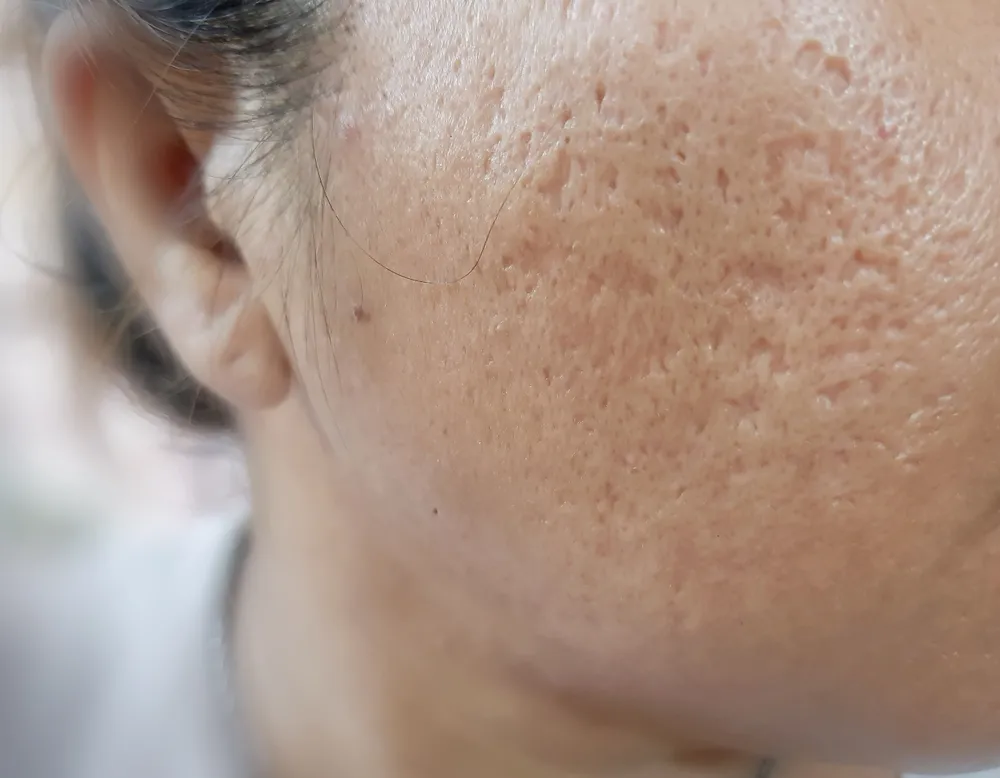
Indented acne scars are different from post-inflammatory pigmentation because they involve changes to the structure of the skin.
When acne causes significant inflammation, particularly with deeper lesions, the healing process can damage collagen within the dermis. As the skin repairs itself, collagen loss and changes in how new collagen forms can cause the affected area to heal below the level of the surrounding tissue, resulting in an atrophic or depressed scar.
The likelihood and severity of scarring can be influenced by factors such as the depth and duration of inflammation, individual healing responses and whether acne lesions have been picked or squeezed. Managing inflammatory acne early may therefore help reduce the risk of further scarring.
Dark Marks vs Indented Scars: Why Does the Difference Matter?
Dark marks primarily involve changes in pigmentation, whereas indented acne scars involve changes to the skin's collagen and physical structure. This distinction matters because a treatment intended to address excess pigment may not address a depression in the skin in the same way.
Someone may also have both concerns at once. For example, an area affected by acne may appear darker than the surrounding skin while also having an uneven or indented texture.
Identifying these differences can help guide treatment towards pigmentation, scarring or both, rather than treating every post-acne mark in the same way.
How Can Dark Acne Marks and Indented Scars Be Treated?
Treatment depends on the type and extent of the post-acne changes, as well as factors such as skin type, medical history and whether active acne is still present.
For Dark Acne Marks
Management may include appropriate skincare, sun protection and selected clinic-based treatments. Topical treatments containing ingredients that help regulate pigmentation may be recommended to gradually improve discolouration.
Depending on the nature of the pigmentation, options such as PicoWay laser may also be considered following an assessment. This technology uses ultra-short laser pulses to target pigment in the skin. However, laser treatment is not suitable for everyone, and careful selection is important because certain treatments can worsen pigmentation, particularly in darker skin tones.
For Indented Acne Scars
Treatment focuses on improving uneven skin texture and addressing structural changes within the skin. Depending on the type and depth of the scars, approaches such as fractional laser resurfacing, microneedling or subcision may be considered.
These treatments work through different mechanisms. Some encourage collagen remodelling, while others help release tissue attachments that contribute to depressed scars. More than one approach may be needed, particularly when different scar types are present.
For a Combination of Pigmentation and Scarring
Some people develop both colour and textural changes after acne. In these cases, different skin treatments may be considered to address each concern separately or in stages, depending on the condition of the skin and the procedures being considered.
Address Post-Acne Marks and Scars With Dr Patricia Yuen
Not all changes left behind by acne respond to the same treatments. While some dark marks may gradually fade, indented scars involve structural changes that are less likely to resolve naturally. Persistent pigmentation, uneven skin texture or a combination of both may benefit from a dermatological assessment.
At Patricia Yuen Dermatology, patients can receive an individualised skin assessment and discuss suitable options, including non-invasive treatments where appropriate. Dr Patricia Yuen has more than 25 years of clinical experience in Singapore and the United States and is an accredited dermatologist with the Ministry of Health Singapore. Her approach combines holistic, scientific care with consideration for different skin types and individual concerns.
If post-acne pigmentation or indented scarring is concerning you, start your journey towards healthier skin by booking an appointment with us.
Frequently Asked Questions About Dark Acne Marks and Indented Scars
Can sunscreen help prevent acne marks from getting darker?
Can you treat acne scars while you still have active acne?
Can indented acne scars improve on their own?
Can skincare products remove indented acne scars?
Can dark acne marks come back after they fade?

Meet Our Doctor
Dr Patricia Yuen
BA (Brown), MD (Boston), Internal Medicine (USA)
FAMS (Dermatology)
Accredited Dermatologist with the Ministry of Health, Singapore
Dr Patricia Yuen is a US-trained dermatologist with more than 25 years of clinical experience in treating medical and cosmetic skin concerns. A fully accredited specialist with the Ministry of Health Singapore, her clinical interests include cosmetic dermatology and non-invasive facial rejuvenation using evidence-based techniques.

