

Hair Loss in Singapore

Dr Patricia Yuen
Accredited Dermatologist with the Ministry of Health, Singapore
BA (Brown), MD (Boston), Internal Medicine (USA), FAMS (Dermatology)

Hair loss can affect both men and women at different stages of life. Whether you are noticing increased hair shedding, gradual thinning or areas of reduced hair density, these changes can have a significant impact on confidence and self-image. Because hair loss can arise from a range of underlying factors, obtaining an accurate diagnosis is an important first step.
What Is Hair Loss?
Hair loss, also known as alopecia, refers to the partial or complete loss of hair from the scalp or other parts of the body. While some degree of daily shedding is normal, excessive hair loss can occur when the hair growth cycle is disrupted or when hair follicles become damaged.
Hair loss can affect both men and women of all ages. Depending on the cause, it may present as gradual thinning, increased shedding, patchy bald spots or more widespread hair loss. Factors such as genetics, hormonal changes, medical conditions, nutritional deficiencies and stress can all contribute to its development.
Normal Hair Growth Cycle
Healthy hair growth follows a continuous cycle consisting of four phases. Disruptions to any stage of this cycle may result in excessive shedding or reduced hair growth.
- Anagen (Growing Phase) – This is the active growth stage, during which hair follicles produce new hair. The anagen phase can last several years and determines the maximum length of hair growth.
- Catagen (Transition Phase) – A short transitional stage where hair growth slows and the follicle begins to shrink.
- Telogen (Resting Phase) – During this phase, hair remains in place while the follicle rests and prepares for a new growth cycle.
- Exogen (Shedding Phase) – This is the stage where older hairs are released and shed naturally before new hairs begin to grow.
What Are Different Types of Hair Loss?
Identifying the type of hair loss is an important step in determining the most appropriate treatment approach.
Androgenetic Alopecia
The most common form of hair loss, androgenetic alopecia is influenced by genetics and hormones.- Male Pattern Hair Loss – Typically presents as a receding hairline and thinning at the crown, which may progress over time.
- Female Pattern Hair Loss – Usually appears as diffuse thinning over the top of the scalp while preserving the frontal hairline.
Telogen Effluvium
This temporary form of hair loss occurs when a larger-than-normal number of hairs enter the resting phase. Common triggers include illness, major stress, surgery, rapid weight loss and post-natal hair loss.Alopecia Areata
An autoimmune condition that causes the immune system to target hair follicles, resulting in patchy hair loss.- Alopecia Totalis – A more extensive form of alopecia areata involving complete loss of scalp hair.
- Alopecia Universalis – The most severe form, resulting in the loss of hair across the entire body.
- Alopecia Ophiasis – Characterised by a band-like pattern of hair loss along the sides and back of the scalp.
Scarring Alopecia (Cicatricial Alopecia)
A group of inflammatory conditions that permanently damage hair follicles and replace them with scar tissue. Early diagnosis is important to help prevent further hair loss.Traction Alopecia
Caused by repeated tension on the hair from tight hairstyles such as braids, buns or extensions.Trichotillomania
A condition involving repetitive hair pulling, which can lead to noticeable hair loss and thinning.
Identifying the underlying cause of hair loss early can help guide appropriate treatment and support better outcomes.
What Are Common Signs and Symptoms of Hair Loss?
Hair loss can affect the scalp or other areas of the body. The severity varies from mild thinning to more extensive hair loss.
Receding Hairline
A gradual backward movement of the hairline, commonly seen in male pattern hair loss.Patchy Bald Spots
Round or irregular areas of hair loss that may develop suddenly.Gradual Hair Thinning
A reduction in hair density, often most noticeable along the crown or parting line.Excessive Daily Shedding
Finding more hair than usual on pillows, clothing or in the shower.Sudden Loosening of Hair
Hair may come out easily during washing, brushing or gentle pulling.Full-body Hair Loss
Loss of hair affecting areas beyond the scalp, including eyebrows, eyelashes and body hair.Scalp Conditions
Redness, itching, scaling, pain or inflammation may indicate an underlying scalp disorder contributing to hair loss.
If you notice any of these symptoms, seeking medical attention early can help identify the cause and improve treatment outcomes.
What Are Possible Causes and Risk Factors of Hair Loss?
Hair loss may develop as a result of genetic, hormonal, medical or lifestyle-related factors. Some of the common causes and risks of developing hair loss include:
Ageing
Hair growth slows with age, while follicles may become smaller and produce finer hairs.Genetics
Inherited conditions such as androgenetic alopecia are among the most common causes of hair loss.Hormonal Imbalance
Changes in hormone levels related to pregnancy, menopause, thyroid disorders or other conditions may contribute to hair loss.Medical Conditions
Autoimmune diseases, infections and systemic illnesses can affect hair growth.Scalp Conditions
Inflammatory scalp disorders may interfere with healthy follicle function.Medications (Side Effects)
Certain medications may contribute to temporary or ongoing hair loss.Excessive Traction on Hair
Repeated pulling forces can damage hair follicles over time.Nutritional Deficiencies
Low levels of iron, protein, zinc and certain vitamins may affect normal hair growth.Stress
Physical or emotional stress can trigger temporary shedding in some individuals.
Dr Patricia Yuen can identify the underlying cause and recommend treatment options tailored to your condition and goals.
Schedule a consultation for a personalised assessment.
How Is Hair Loss Diagnosed?
Hair loss assessment typically begins with a detailed review of your medical history, symptoms and hair care habits, followed by an examination of your scalp and hair. Early diagnosis helps identify the underlying cause and allows treatment to begin before further progression occurs.
Other Diagnostic Assessments May Include:
- Video Trichoscopy – Magnified imaging of the scalp and hair follicles to evaluate hair density, shaft thickness and scalp health.
- Blood Tests – Used to identify nutritional deficiencies, thyroid disorders or other underlying medical conditions.
- Scalp Biopsy – A small sample of scalp tissue may be examined when inflammatory or scarring hair loss is suspected.
- Allergy Tests – May be performed if an allergic reaction is suspected to be contributing to scalp symptoms.
- Hormonal Evaluations – Useful when hormonal imbalances are suspected as a contributing factor.
- Hair Pull Test – A simple clinical test used to assess active shedding.
What Hair Loss Treatments Are Available?
Some recommended treatments include:
Oral and Topical Medications
- Minoxidil – Minoxidil is available in topical and oral formulations and may help stimulate hair growth while slowing hair loss in suitable individuals.
- Finasteride (for Men) – Finasteride is an oral medication commonly prescribed for male pattern hair loss. It works by reducing the effects of hormones that contribute to follicle miniaturisation.
- Anti-Inflammatory Lotions/Steroids – These medications may be used to reduce inflammation affecting the scalp and hair follicles in certain inflammatory hair loss conditions.
- Oral Supplements – Supplementation may be recommended when nutritional deficiencies are contributing to hair loss or poor hair growth.
Corticosteroids
- Oral Medication – Oral corticosteroids may be prescribed in selected cases to help suppress inflammation and reduce further hair loss.
- Scalp Injections – Corticosteroids can be injected directly into affected areas of the scalp to target localised hair loss and encourage regrowth.
Low-Level Laser Therapy (LLLT)
LLLT uses low-energy light to stimulate hair follicles and may help improve hair density in selected individuals with thinning hair.Platelet-Rich Plasma (PRP) Therapy
PRP therapy involves injecting concentrated platelets derived from your own blood into the scalp. These platelets contain growth factors that may support hair follicle function and hair growth.Exosome Scalp Therapy
Exosome therapy uses cell-derived signalling molecules that may help support tissue repair and stimulate hair follicles. It may be recommended as part of a broader hair restoration plan.Microneedling with Hair Serums
Microneedling creates controlled microchannels in the scalp, allowing specialised hair serums to penetrate more effectively while stimulating the scalp's natural healing response.Hair Transplant Surgery
Hair transplant surgery involves relocating healthy hair follicles to areas affected by hair loss. Follicular Unit Extraction (FUE) harvests individual follicular units, while Follicular Unit Transplantation (FUT) involves removing a strip of scalp from the donor area before transplanting the follicles.Nutritional & Lifestyle Modifications
Addressing factors such as nutritional deficiencies, stress, poor sleep and hair care practices may help support scalp health and complement other hair loss treatments.
An accurate diagnosis can help determine the cause of your symptoms and the most suitable treatment approach.
Schedule a consultation for an assessment with Dr Patricia Yuen.
How to Prevent Hair Loss?
While not all forms of hair loss can be prevented, certain habits may help support scalp and hair health:
- • Maintain a balanced diet rich in protein, iron and essential nutrients
- • Avoid tight hairstyles that place excessive tension on the hair
- • Use gentle hair care products suited to your scalp condition
- • Minimise excessive heat and chemical treatments
- • Manage stress through healthy lifestyle practices
- • Seek prompt medical attention for persistent shedding or scalp concerns
Hair Loss Treatment with Dr Patricia Yuen
Hair loss can affect more than your appearance. It may also impact confidence and emotional well-being. Fortunately, many forms of hair loss can be managed effectively with early diagnosis and appropriate treatment.
At Patricia Yuen Dermatology in Singapore, Dr Patricia Yuen provides personalised assessment and treatment for a wide range of hair and scalp conditions. Drawing on more than 25 years of dermatology experience, she develops evidence-based treatment plans tailored to each patient's needs.
Whether you are experiencing recent hair shedding, gradual thinning or patchy hair loss, our team is here to help. Schedule a consultation to discuss your concerns and treatment options.
Frequently Asked Questions (FAQs) About Hair Loss
When should I see a dermatologist for hair loss?
You should consider seeing a dermatologist if hair loss is persistent, worsening or accompanied by scalp symptoms such as redness, itching or pain. Early assessment can help identify the cause and improve the chances of successful treatment.
Is hair loss reversible?
Some forms of hair loss are temporary and may improve once the underlying cause is treated. Others, particularly certain types of scarring alopecia, can cause permanent follicle damage.
How do I know what type of hair loss I have?
Different hair loss conditions can appear similar, making self-diagnosis difficult. A dermatologist may use scalp examination, trichoscopy, blood tests or other investigations to identify the underlying cause and recommend suitable treatment.
How long do hair loss treatments take to see results?
Hair grows gradually, so visible improvement often takes time. Depending on the treatment and underlying condition, it may take three to six months before changes become noticeable, with continued improvement occurring over a longer period.
Are there side effects for hair loss treatments?
Some hair loss treatments may cause side effects, depending on the treatment used. These may include scalp irritation, dryness, redness, tenderness, shedding during the initial treatment phase or medication-related effects. Your dermatologist will discuss the potential risks and recommend options suited to your condition.
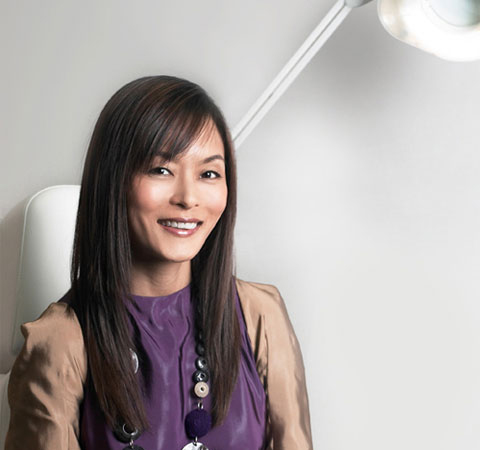
Meet Our Hair Loss Specialist in Singapore
Dr Patricia Yuen
Accredited Dermatologist with the Ministry of Health, Singapore
BA (Brown), MD (Boston), Internal Medicine (USA), FAMS (Dermatology)
Dr Patricia Yuen is an accredited dermatologist with over 25 years of clinical experience in Singapore and the United States. She has extensive experience diagnosing and treating a wide range of hair and scalp conditions, including androgenetic alopecia, alopecia areata, telogen effluvium and inflammatory scalp disorders.
Drawing on her expertise in medical dermatology, Dr Yuen develops personalised treatment plans based on each patient's diagnosis, scalp health and treatment goals. Her approach focuses on evidence-based care, patient education and long-term scalp health.

