

Hair Loss in Women: Common Causes and Treatment

Dr Patricia Yuen
BA (Brown), MD (Boston), Internal Medicine (USA), FAMS (Dermatology)
Accredited Dermatologist with the Ministry of Health, Singapore
Hair loss can be upsetting at any stage of life. Whether you notice more strands on your pillow, a widening parting or thinning around your crown, changes in hair density often affect both confidence and well-being. While some shedding is part of the natural hair growth cycle, excessive or persistent hair loss may indicate an underlying medical condition that requires assessment.
The good news is that many causes of hair loss in women can be managed successfully once the underlying reason is identified. Understanding what is contributing to your hair loss is the first step towards choosing the most appropriate treatment.
Common Causes of Hair Loss in Women
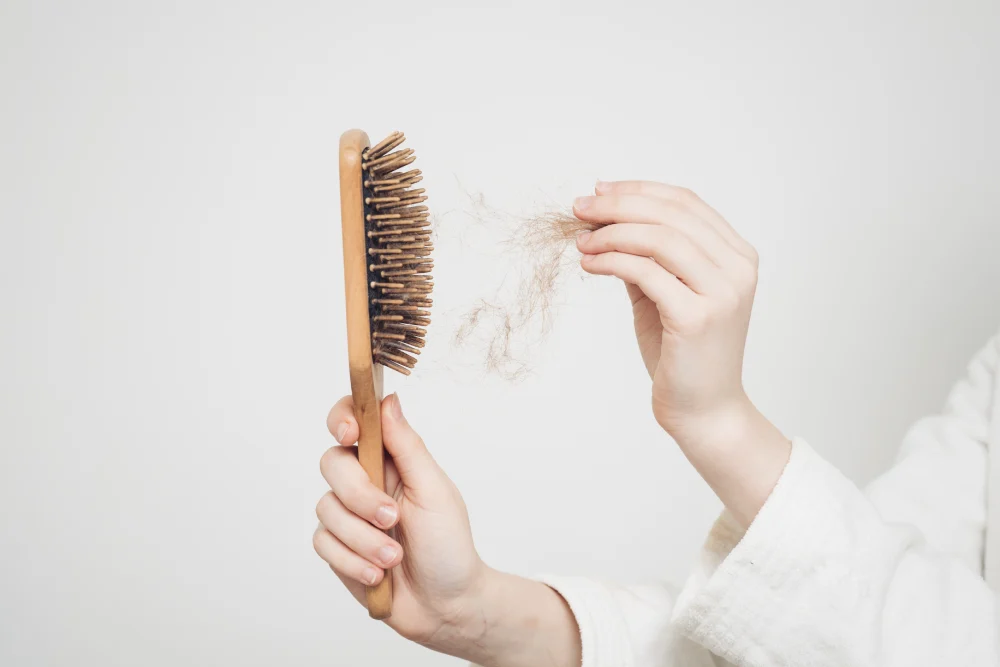
Hair loss is not a condition in itself but a symptom with many possible causes. Understanding what is contributing to the problem helps guide treatment and improve the chances of preserving healthy hair growth.
Female Pattern Hair Loss
Female pattern hair loss is the most common cause of long-term hair thinning in women. It develops gradually due to a combination of inherited genetics and hormonal influences, particularly the hair follicles’ sensitivity to androgens.
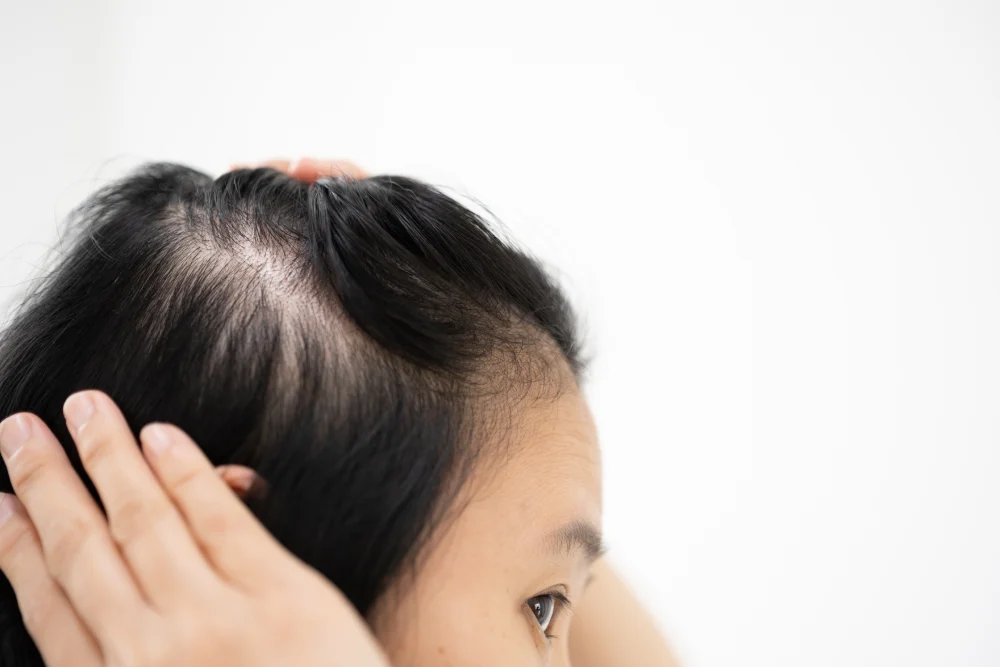
Rather than developing distinct bald patches, most women notice a widening parting, reduced hair volume or diffuse thinning across the top of the scalp while the frontal hairline is generally maintained.
Hormonal Changes
Hormonal fluctuations can alter the normal hair growth cycle and contribute to increased shedding or gradual thinning.
Common hormonal causes include:
- Pregnancy and the postpartum period
- Menopause
- Polycystic ovary syndrome (PCOS)
- Thyroid disorders
Some women experience temporary hair loss that improves as hormone levels stabilise, while others require medical treatment to manage an underlying hormonal condition.
Nutritional Deficiencies
Hair follicles require an adequate supply of nutrients to support healthy growth. Deficiencies in iron, vitamin D, zinc, vitamin B12 or protein may affect the quality and growth of new hair.
Women with heavy menstrual bleeding, restrictive diets, digestive disorders or certain chronic illnesses may have a greater risk of developing nutritional deficiencies. Because excessive supplementation can also be harmful, blood tests are often recommended before treatment is started.
Stress-Related Hair Loss
Significant physical or emotional stress may trigger a condition known as telogen effluvium, in which an unusually large number of hairs enter the resting phase simultaneously.
Common triggers include:
- Major surgery
- Serious illness
- High fever
- Emotional stress
- Rapid weight loss
Hair shedding usually begins two to three months after the triggering event rather than immediately. Although recovery often occurs once the underlying cause has resolved, some women benefit from medical assessment to exclude other contributing factors.
Medical Conditions Affecting the Scalp
Hair loss may also result from conditions that directly affect the scalp or hair follicles.
Examples include:
- Alopecia areata
- Scalp psoriasis
- Seborrhoeic dermatitis
- Scalp infections
- Scarring forms of alopecia
Some inflammatory conditions can permanently damage hair follicles if treatment is delayed, highlighting the importance of early diagnosis.
How Hair Loss in Women Is Diagnosed
As many types of hair loss can appear similar, an accurate diagnosis is essential before treatment begins. At a hair loss clinic, your dermatologist will review your symptoms, medical history and hair care habits before examining your scalp and hair.
Depending on the suspected cause, further investigations may include:
- Video trichoscopy to examine the scalp and hair follicles under magnification
- Blood tests to identify nutritional deficiencies, thyroid disorders or other underlying conditions
- Hormonal evaluation when hormonal imbalance is suspected
- Hair pull test to assess active hair shedding
- Scalp biopsy in selected cases where inflammatory or scarring hair loss is suspected
- Allergy testing if an allergic reaction may be contributing to scalp symptoms
The findings help determine the underlying cause of hair loss and guide the most appropriate treatment plan.
Treatment Options for Hair Loss in Women
After an accurate diagnosis has been made, treatment focuses on managing the underlying cause while supporting healthier hair growth.
Medications
Medical treatment may help slow hair loss, reduce inflammation or stimulate healthier hair growth.
Depending on the underlying condition, treatment may include:
- Minoxidil, available in topical and oral formulations for suitable individuals
- Anti-inflammatory lotions or topical corticosteroids for inflammatory scalp conditions
- Oral corticosteroids in selected cases to suppress inflammation
- Oral supplements when nutritional deficiencies are identified
Injectable and Regenerative Treatments
Some patients may benefit from treatments that support hair follicle activity and encourage hair growth.
These may include:
- Corticosteroid scalp injections for certain localised forms of hair loss
- Platelet-rich plasma (PRP) therapy, which uses concentrated platelets from your own blood to deliver growth factors to the scalp
- Exosome scalp therapy, which uses cell-derived signalling molecules that may help support tissue repair and hair follicle function
The suitability of these treatments depends on the cause and stage of hair loss.
Device-Based Treatments
Low-level laser therapy (LLLT) uses low-energy light to stimulate hair follicles and may help improve hair density in selected individuals with thinning hair. It is often incorporated into a broader treatment plan alongside other therapies.
Hair Restoration Procedures
Microneedling with specialised hair serums may be recommended to improve serum absorption while stimulating the scalp’s natural healing response.
For women with established hair loss who have suitable donor hair, hair transplant surgery may also be considered. Techniques such as Follicular Unit Extraction (FUE) and Follicular Unit Transplantation (FUT) relocate healthy hair follicles to areas of thinning.
Nutritional and Lifestyle Measures
Improving overall scalp health is an important part of long-term hair management. Addressing nutritional deficiencies, managing stress, maintaining adequate sleep and adopting appropriate hair care practices may help support healthier hair growth while complementing medical treatment.
Managing Hair Loss with the Right Treatment
Hair loss in women can have many different causes, and successful treatment begins with understanding what is affecting the hair and scalp. As the most appropriate approach varies from person to person, an accurate diagnosis can help to manage ongoing hair loss while supporting healthier hair growth.
At Patricia Yuen Dermatology in Singapore, care is provided by Dr Patricia Yuen, who offers comprehensive assessment and personalised treatment for women experiencing hair loss and scalp conditions.mIf you have noticed ongoing changes in your hair or scalp, arrange a consultation and learn more about the treatment approaches available.
Frequently Asked Questions About Hair Loss in Women
Will hair grow back after menopause?
Can hair colouring or perming cause permanent hair loss?
Can different types of hair loss occur at the same time?
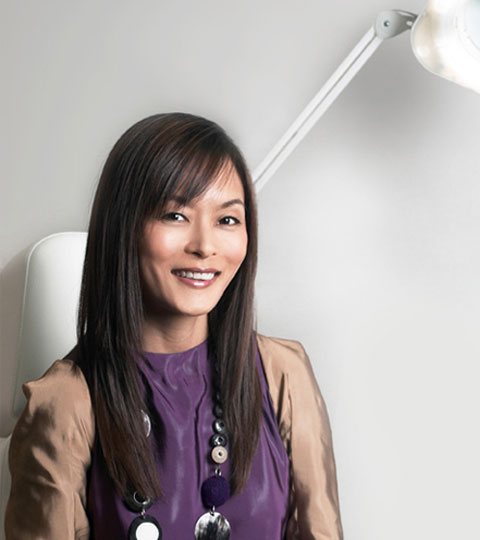
Meet Our Hair Loss Specialist in Singapore
Dr Patricia Yuen
BA (Brown), MD (Boston), Internal Medicine (USA)
FAMS (Dermatology)
Accredited Dermatologist with the Ministry of Health, Singapore
Dr Patricia Yuen is a dermatologist with more than 25 years of clinical experience in treating a wide range of medical and aesthetic skin concerns. Trained in the United States, Dr Yuen graduated from Brown University and received her medical doctorate from Boston University School of Medicine. She later completed her dermatology fellowship at the National University Hospital Singapore under the mentorship of Professor Chan Heng Leong, widely regarded as the pioneer of dermatology in Singapore.
Dr Yuen is a fully accredited specialist with the Ministry of Health Singapore and a Fellow of the Academy of Medicine Singapore (Dermatology). Her expertise spans cosmetic dermatology, dermatosurgery and general dermatology for both adults and children, with a particular interest in non-invasive facial rejuvenation using advanced, evidence-based techniques.

