

Skin Doctor vs. Dermatologist: What’s the Difference?

Dr Patricia Yuen
BA (Brown), MD (Boston), Internal Medicine (USA), FAMS (Dermatology)
Accredited Dermatologist with the Ministry of Health, Singapore
When searching for treatment for acne, eczema, pigmentation or other skin concerns, many people in Singapore use the terms ‘skin doctor’ and ‘dermatologist’ interchangeably. While both are associated with skin health, there are important differences between the two that can affect the type of care, expertise and treatment options available to you.
Whether you are dealing with a common skin concern or a more complex condition requiring specialised assessment, knowing who to consult can help you access appropriate care and achieve better outcomes. Understanding the distinction between a skin doctor and a dermatologist can help patients choose the most appropriate care for their skin concerns.
What Is a Skin Doctor?
The term ‘skin doctor’ is a broad, non-specialist term commonly used by the public to describe any healthcare professional who diagnoses and treats skin-related concerns. In everyday conversations, people may refer to a general practitioner, aesthetic doctor or dermatologist as a skin doctor when seeking treatment for concerns such as acne, rashes, eczema, pigmentation or skin infections. As the term is used informally, the type of care offered may vary depending on the healthcare professional involved.
When searching online for a skin doctor in Singapore, patients are often looking for a qualified medical professional who can assess their symptoms and recommend appropriate treatment. As ‘skin doctor’ is not an official medical title, it can refer to different types of healthcare professionals depending on the setting and services offered. Understanding what people mean when they refer to a skin doctor can help clarify the different types of skin care services available in Singapore.
What Is a Dermatologist?
A dermatologist is a medical doctor who has undergone specialised training in the diagnosis, treatment and management of conditions affecting the skin, hair, nails and mucous membranes. After completing a medical degree and foundational clinical training, dermatologists pursue advanced specialist education and certification in dermatology, equipping them with the expertise to manage both common and complex skin disorders. These may include:
- Acne
- Eczema
- Psoriasis
- Rosacea
- Skin infections
- Hair loss and scalp disorders
- Nail diseases
- Autoimmune skin conditions
- Skin cancers
In addition to providing medical and surgical treatments, dermatologists are trained to perform detailed skin assessments, biopsies and preventive skin health screenings. Through their specialised training, dermatologists are equipped to diagnose and manage a broad spectrum of conditions affecting the skin, hair and nails, ranging from common disorders to more complex medical concerns.
Skin Doctor vs Dermatologist: Key Differences
The key difference between a skin doctor and a dermatologist lies in the level of specialised training and expertise. While the term ‘skin doctor’ is commonly used to describe any medical professional who treats skin-related concerns, a dermatologist is a recognised medical specialist with advanced training in dermatology.
| Aspect | Skin Doctor | Dermatologist |
| Official Medical Title | Not a formal designation | Recognised medical specialist |
| Training | Varies by practitioner | Specialist dermatology training |
| Conditions Treated | Common skin concerns | Common and complex skin conditions |
| Diagnostic Procedures | Limited depending on practitioner | Biopsies, specialised assessments and more |
| Skin Cancer Assessment | May refer to a specialist | Trained to diagnose, assess and coordinate treatment of skin cancers |
While both may play an important role in supporting skin health, the scope of expertise and services offered can differ significantly. Understanding these distinctions can help patients determine which healthcare professional is best suited to their individual needs.
Skin Doctor
A skin doctor may refer to various healthcare professionals who manage skin conditions, including:
- General practitioners who provide initial assessment and treatment for common skin concerns
- Medical doctors who offer care for minor or straightforward skin issues
- Healthcare providers whom patients commonly consult for skin-related symptoms
Dermatologist
Unlike the term ‘skin doctor’, dermatologist is a recognised specialist designation. Dermatologists undergo additional accredited training in dermatology and may be consulted when a condition requires specialist evaluation, advanced investigations or ongoing management.
Dermatologists are qualified to:
- Diagnose and treat a wide range of skin, hair and nail conditions
- Manage complex or chronic skin disorders
- Perform specialised diagnostic procedures and treatments
- Assess and monitor potentially serious conditions such as skin cancer
When Should You See a Dermatologist?
The distinction between a skin doctor and a dermatologist becomes more relevant when symptoms are persistent, recurring, difficult to diagnose or affecting your quality of life. While some skin concerns may improve with initial treatment, specialist assessment may be beneficial when symptoms continue despite treatment or require further investigation.
You may consider consulting a dermatologist if you experience:
- Skin conditions that do not improve with initial treatment
- Recurring or unexplained skin symptoms
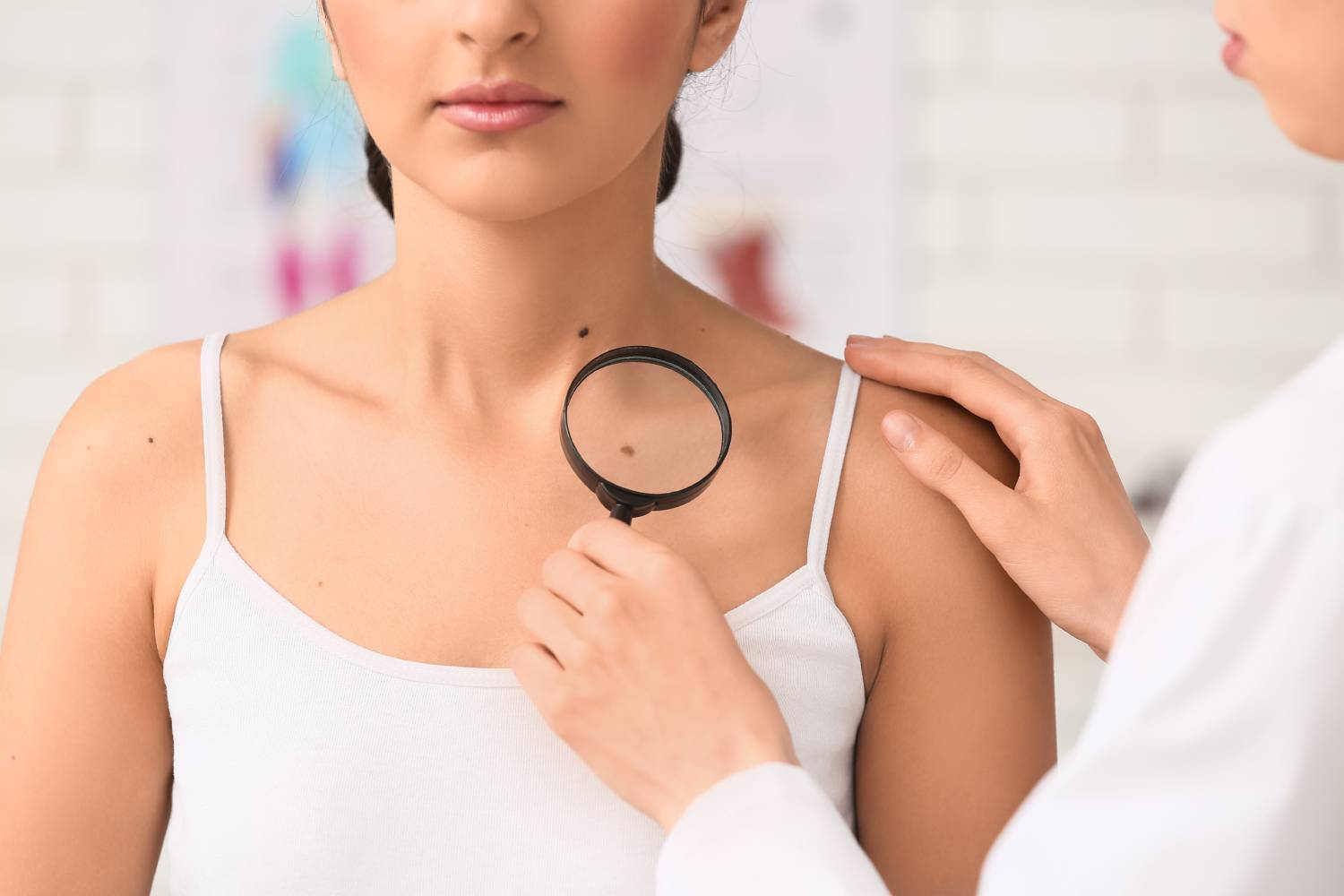
- Changes in moles or other skin lesions that require evaluation
- Hair or scalp concerns that persist over time
- Skin problems that interfere with daily activities or quality of life
- Symptoms that may require specialised investigations or long-term management
Understanding these distinctions can help patients decide when specialist dermatological care may be appropriate. A dermatologist can provide a detailed assessment, establish an accurate diagnosis and develop a personalised management plan based on your individual needs.
Getting Personalised Dermatology Care from Dr Patricia Yuen
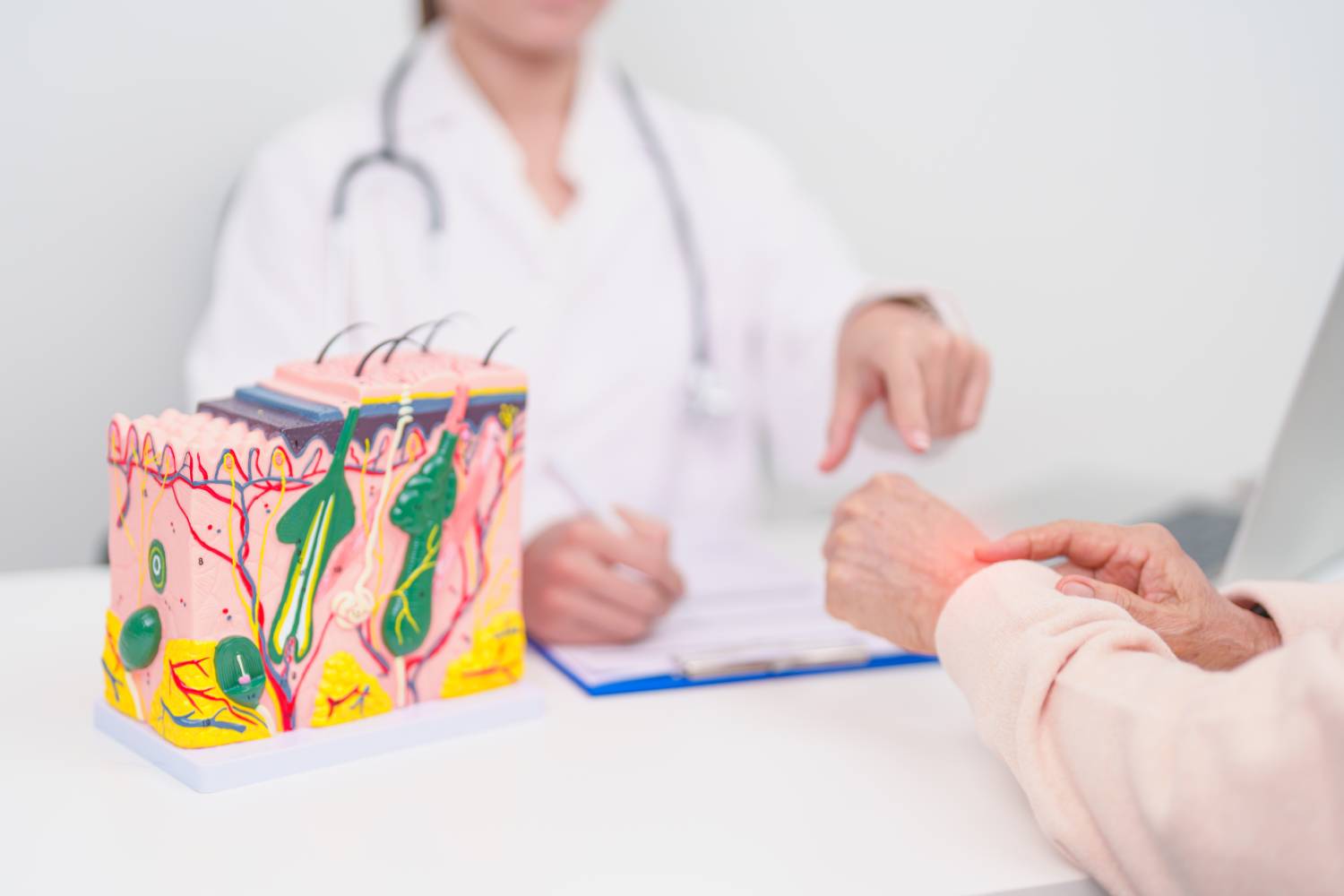
Understanding the difference between a skin doctor and a dermatologist can help you make more informed decisions about your skin health. Once you have decided to seek specialist skin care, choosing a dermatologist with relevant experience and a patient-centred approach can be an important next step. As dermatological conditions can vary from person to person, a personalised assessment can help establish an accurate diagnosis and treatment plan tailored to your needs.
For those searching for a skin doctor in Singapore, consulting a qualified dermatologist can provide access to specialised expertise, advanced diagnostic capabilities and evidence-based care, particularly for complex or recurring skin concerns.
At Patricia Yuen Dermatology, we aim to provide specialist assessment and treatment for a wide range of dermatological concerns in a dedicated dermatology setting. Our accredited dermatologist, Dr Patricia Yuen, is dedicated to delivering personalised diagnosis and treatment plans tailored to each patient’s needs. Book an appointment to take the next step towards healthier skin.
FAQs About Differences Between a Skin Doctor and a Dermatologist
Can a dermatologist diagnose skin allergies that are difficult to identify?
Can a dermatologist help determine whether my hair loss is caused by stress, hormones or a medical condition?
What if previous treatments have not resolved my skin condition?
Is it necessary to see a dermatologist before considering aesthetic skin treatments?
Can a dermatologist help with skin concerns that may be linked to other medical conditions?

Meet Our Trusted Dermatologist in Singapore
Dr Patricia Yuen
BA (Brown), MD (Boston), Internal Medicine (USA)
FAMS (Dermatology)
Accredited Dermatologist with the Ministry of Health, Singapore
Dr Patricia Yuen is a US-trained dermatologist with over two decades of clinical experience in both medical and cosmetic dermatology. She is an active member of several professional bodies, including the Dermatological Society of Singapore, the American Academy of Dermatology, and the American Society for Laser Medicine and Surgery.
At her private practice—Patricia Yuen Dermatology, located at Paragon—she offers personalised skincare solutions. While she treats a wide range of skin conditions, Dr Yuen has a particular focus on cosmetic dermatology, helping patients enhance their skin health and appearance through tailored treatments.

