

When Should You Start Worrying About Hair Loss?

Dr Patricia Yuen
BA (Brown), MD (Boston), Internal Medicine (USA)
FAMS (Dermatology)
Accredited Dermatologist with the Ministry of Health, Singapore
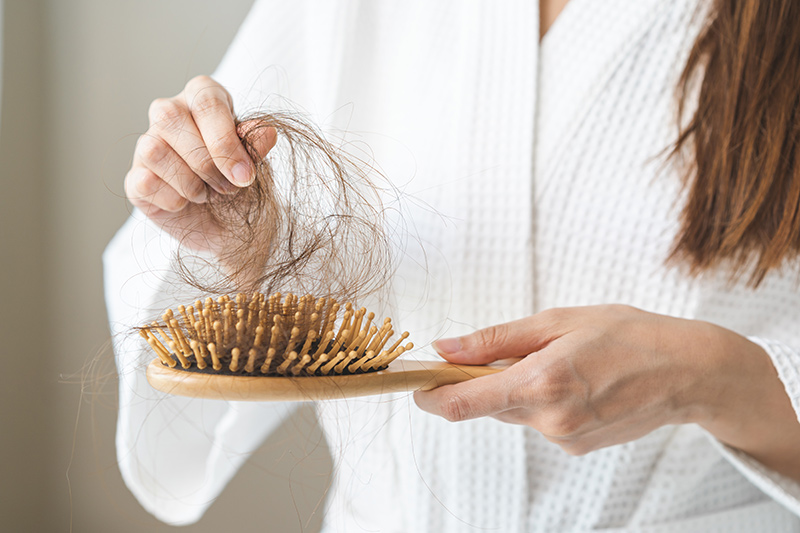
Have you ever noticed more hair than usual on your pillow in the morning or collecting in the shower drain after washing your hair? Perhaps your ponytail feels thinner than it used to, or you have started paying closer attention to your part line in the mirror. Hair loss is a concern many people quietly deal with. While losing some hair each day is a natural part of the hair growth cycle, noticeable thinning or persistent strands falling out can understandably cause worry. The key is knowing when changes are simply part of everyday hair turnover and when they might signal something that deserves medical attention.
Understanding Normal Daily Hair Loss
It may come as a surprise, but losing a certain amount of hair each day is completely normal. Most people lose between 50 and 100 strands daily as part of the natural growth cycle. Each hair follicle goes through different phases of growth, rest and release. When older strands complete their cycle, they fall out to make room for new growth. Because of this process, seeing a few strands on your brush or in the shower is usually nothing to worry about.
Certain factors can also make hair loss appear more noticeable. Individuals with longer hair may feel that they are losing more simply because the strands are easier to see. Washing or styling your hair may also gather several loose strands at once, making the amount seem greater than it actually is. However, if the amount of hair coming out feels unusually high or continues for several months without improvement, it may be time to pay closer attention.
Signs That Hair Loss May Be More Than Normal
Sometimes the difference between everyday hair loss and a developing issue can be subtle. There are several signs that may indicate it is worth seeking further advice.
Sudden Increase in Hair Loss
One of the most common signs is a sudden increase in the number of strands falling out during daily activities such as washing, combing or tying your hair. If this continues over several weeks, it may suggest a disruption in the hair growth cycle.
Visible Thinning
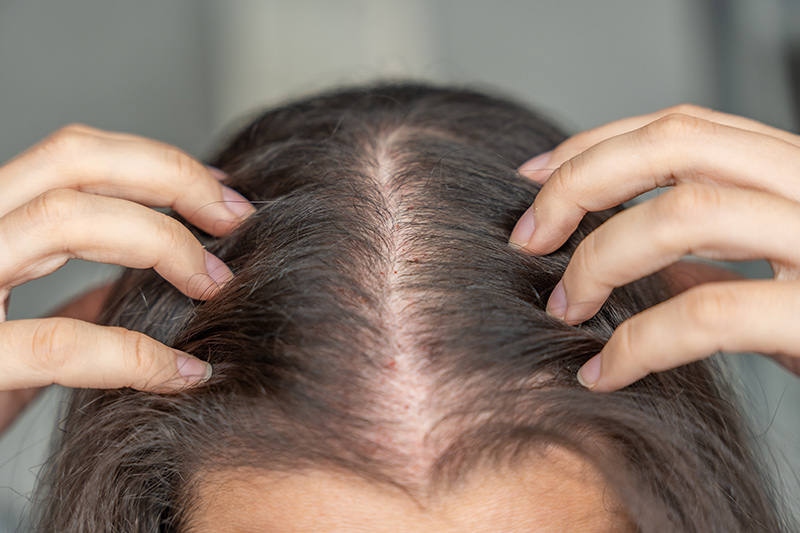
You may notice your ponytail feeling smaller, your scalp becoming more visible under bright lighting or your part line gradually widening. These gradual changes can sometimes be easier to detect over time rather than all at once.
Patchy Hair Loss
Some people develop areas where hair appears noticeably sparse or forms small bald patches. These spots may appear suddenly and can sometimes increase in size.
Changes in Hair Texture or Strength
Hair that becomes finer than usual, fragile or prone to breakage may also signal underlying changes affecting hair growth.
Common Causes of Hair Loss
Hair loss can occur for a variety of reasons, and identifying the underlying cause is often an important step toward addressing it.
Hormonal Changes
Hormonal shifts can influence the hair growth cycle. Life stages such as pregnancy or menopause may trigger temporary hair loss. Conditions affecting the thyroid gland may also contribute to changes in hair growth.
Stress and Lifestyle Factors
Physical illness, emotional stress or major life changes can temporarily disrupt the hair cycle. When this happens, increased hair fall may occur several months after the triggering event.
Nutritional Deficiencies
Hair health is closely linked to nutrition. Low levels of iron, vitamin D or other essential nutrients can affect the strength and growth of hair strands.
Genetic Factors
Pattern hair loss is one of the most common causes of thinning hair. It can affect both men and women and often develops gradually over time.
Medical or Scalp Conditions
Certain medical conditions, including autoimmune disorders or inflammatory scalp problems, may also contribute to hair thinning or patchy loss.
When Should You Seek Medical Advice?
While occasional hair loss is normal, there are situations where consulting a doctor can provide helpful clarity.
Persistent Hair Loss
If you notice increased hair loss lasting longer than three months, it may be helpful to have your scalp examined. A doctor can assess the pattern of thinning and determine whether further investigations are needed.
Sudden or Severe Hair Loss
Large amounts of hair coming out during washing or brushing may indicate a disruption in the hair growth cycle that benefits from professional evaluation.
Patchy Hair Loss or Bald Spots
Uneven areas of hair loss can sometimes be linked to specific conditions that respond better when treated early.
Scalp Symptoms
Itching, redness, irritation or discomfort on the scalp alongside hair loss may suggest an underlying scalp issue that requires medical care.
Achieve Healthier Hair with Dr Patricia Yuen
Hair loss can feel worrying, especially when it begins to affect your confidence or how you see yourself. The good news is that many causes of hair loss can be identified and managed with the right medical guidance.
At Patricia Yuen Dermatology, led by Dr Patricia Yuen, patients receive personalised care focused on understanding and treating different types of hair loss. If you have been noticing increased hair loss, thinning areas or changes in your scalp, seeking advice can help you better understand what may be happening and explore suitable treatment options. Book an appointment and take the first step toward restoring confidence in your hair.
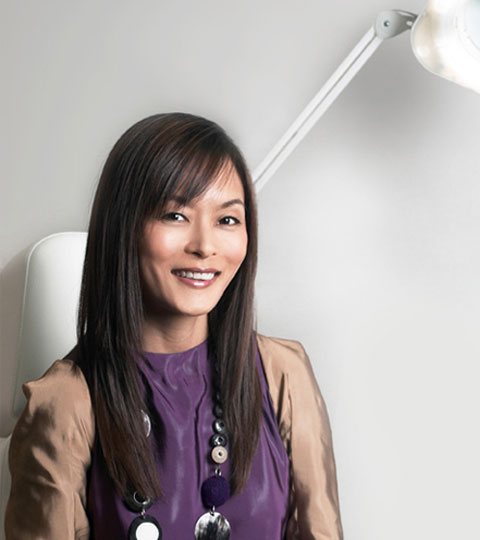
Meet Our Doctor
Dr Patricia Yuen
BA (Brown), MD (Boston), Internal Medicine (USA)
FAMS (Dermatology)
Accredited Dermatologist with the Ministry of Health, Singapore
Dr Patricia Yuen is a dermatologist with more than 25 years of clinical experience in treating a wide range of medical and aesthetic skin concerns. Trained in the United States, Dr Yuen graduated from Brown University and received her medical doctorate from Boston University School of Medicine. She later completed her dermatology fellowship at the National University Hospital Singapore under the mentorship of Professor Chan Heng Leong, widely regarded as the pioneer of dermatology in Singapore.
Dr Yuen is a fully accredited specialist with the Ministry of Health Singapore and a Fellow of the Academy of Medicine Singapore (Dermatology). Her expertise spans cosmetic dermatology, dermatosurgery and general dermatology for both adults and children, with a particular interest in non-invasive facial rejuvenation using advanced, evidence-based techniques.

